Doing More: The Illusion of Progress
Most MFDs believe that the more they work, the more they will grow, but that’s not always true. Their day is filled with calls, meetings, follow-ups, and handling client queries, which creates a sense of productivity. However, this “doing more” approach is largely manual and unstructured.
They rely on memory, scattered Excel sheets, and random reminders to manage their work. Follow-ups get missed, opportunities slip away, and client engagement becomes inconsistent. Despite putting in long hours, the results don’t reflect in AUM growth.
The problem is not the lack of effort but the lack of direction. When work is reactive rather than planned, growth becomes unpredictable and difficult to sustain.
They rely on memory, scattered Excel sheets, and random reminders to manage their work. Follow-ups get missed, opportunities slip away, and client engagement becomes inconsistent. Despite putting in long hours, the results don’t reflect in AUM growth.
The problem is not the lack of effort but the lack of direction. When work is reactive rather than planned, growth becomes unpredictable and difficult to sustain.
Key challenges:
Limited scalability due to manual processes
Growing More: The Power of Systems
MFDs who achieve consistent AUM growth focus not on doing more, but on building growth systems. These systems bring structure to their daily activities and ensure nothing is left to chance.
Instead of random follow-ups, they follow a defined process. Client engagement is planned through regular communication and portfolio reviews. They build repeatable strategies for referrals, cross-selling, and upselling. Automation ensures that tasks are executed on time without constant manual effort.
This allows them to handle more clients efficiently while maintaining service quality. Over time, systems convert small actions into consistent and scalable business growth.
Instead of random follow-ups, they follow a defined process. Client engagement is planned through regular communication and portfolio reviews. They build repeatable strategies for referrals, cross-selling, and upselling. Automation ensures that tasks are executed on time without constant manual effort.
This allows them to handle more clients efficiently while maintaining service quality. Over time, systems convert small actions into consistent and scalable business growth.
What growth systems include:
Cross-sell and upsell tracking processes
The Real Difference Between Doing More vs Growing More
The core difference lies in how the business is managed. Doing more focuses on completing tasks, while growing more focuses on achieving outcomes. In a “doing more” approach, everything depends on personal effort and memory.
In contrast, a system-driven approach ensures processes run consistently without manual intervention. Doing more leads to reactive actions, while systems enable proactive planning. Without systems, follow-ups are irregular and client engagement suffers. With systems, every client interaction is timely and structured.
This shift transforms the business from being effort-driven to system-driven, enabling long-term and predictable AUM growth.
In contrast, a system-driven approach ensures processes run consistently without manual intervention. Doing more leads to reactive actions, while systems enable proactive planning. Without systems, follow-ups are irregular and client engagement suffers. With systems, every client interaction is timely and structured.
This shift transforms the business from being effort-driven to system-driven, enabling long-term and predictable AUM growth.
Key differences:
Limited vs scalable growth
Why MFDs Need CRM to Build Growth Systems
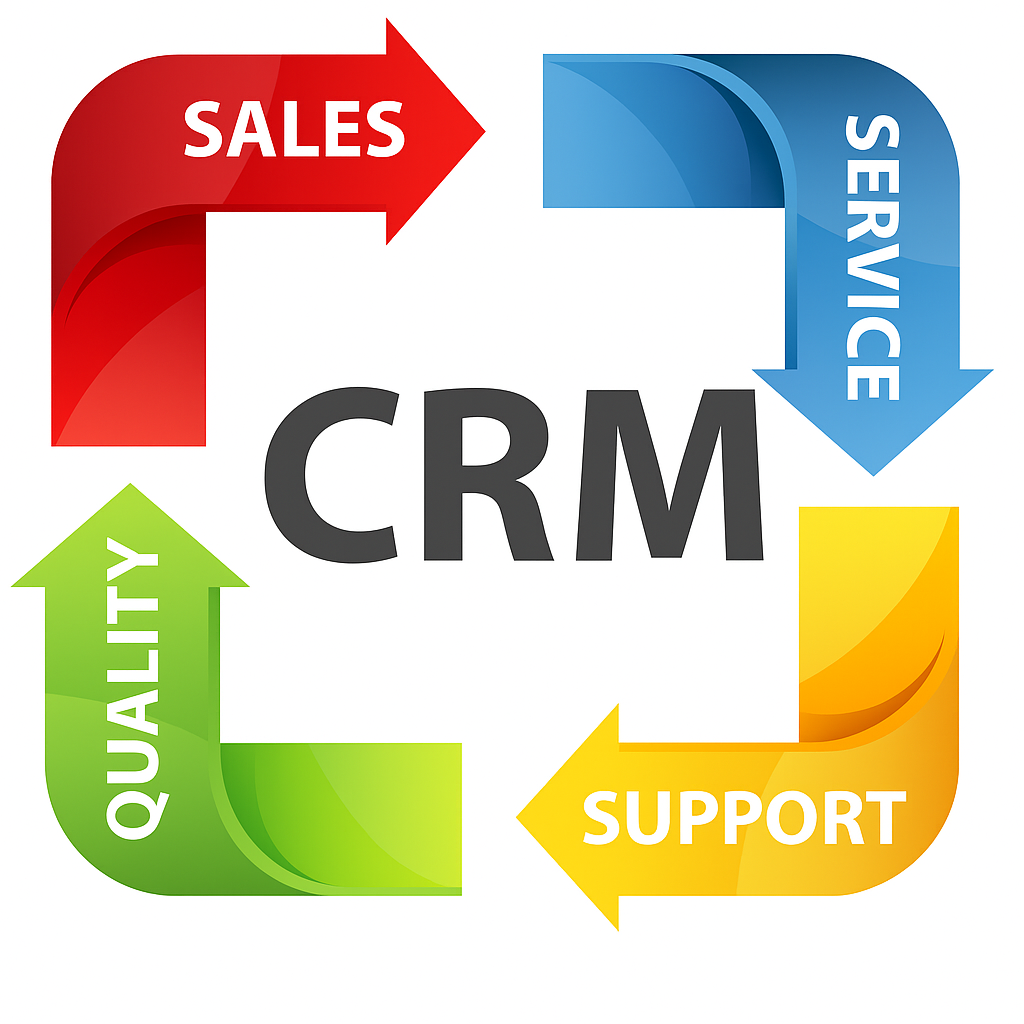
Building and managing growth systems manually becomes difficult as the business grows, which is why a CRM becomes essential. A CRM centralizes all client data, interactions, and activities in one place, removing dependency on scattered tools. It automates follow-ups, ensuring no opportunity is missed and every client is engaged consistently.
Tasks, reminders, and workflows are system-driven rather than memory-based. It also helps identify cross-sell and upsell opportunities at the right time. Communication becomes structured, improving overall client experience. With a CRM, processes become repeatable, scalable, and efficient, directly supporting consistent AUM growth.
Tasks, reminders, and workflows are system-driven rather than memory-based. It also helps identify cross-sell and upsell opportunities at the right time. Communication becomes structured, improving overall client experience. With a CRM, processes become repeatable, scalable, and efficient, directly supporting consistent AUM growth.
How CRM enables growth systems:
Scalable systems to handle more clients efficiently
Ready to Shift from Doing More to Growing More?
If you’re still managing your business through manual effort, you’ll always feel busy but not see real growth. The difference comes when you shift from random actions to structured growth systems. That’s exactly what helps you achieve consistent AUM growth without increasing your workload.
Instead of relying on memory, scattered tools, and manual follow-ups, it’s time to build a system that works for you every single day.
Imagine if you could:
Increase wallet share and generate more referrals
That’s the power of having the right system in place. And the easiest way to build this system is through a CRM designed for MFDs. Don’t just work more — build a system that helps you grow more. Start creating your growth systems today and take control of your AUM growth.
Sign up for your FREE trial of ZOHO CRM - https://go.zoho.com/KLs