Portfolio reviews should not happen randomly. Many MFDs conduct reviews only when markets fall or when clients ask for updates. This reactive approach creates stress, missed revenue opportunities, and inconsistent engagement.
Efficient portfolio review tracking is about creating a structured system where meetings are planned, prepared, recorded, and converted into growth opportunities.
Segment Clients Before Scheduling Reviews
Not every client requires the same review frequency. Without segmentation, your calendar becomes overloaded and unfocused. Categorizing clients helps you prioritize high-value relationships while maintaining service for all.
A Category (High AUM/HNI) – Quarterly review
B Category – Half-yearly review
C Category – Annual review
This structure ensures better time management and higher revenue focus.
Fix Review Cycles in Advance
Instead of scheduling reviews randomly, create fixed review windows during the year. This improves professionalism and ensures clients see you as proactive rather than reactive.
April–May: Financial year planning
September–October: Mid-year adjustments
January–February: Tax planning & SIP top-up
Fixed cycles reduce last-minute chaos and improve planning efficiency.
Use a Standard Pre-Review Checklist
A review without preparation becomes a casual discussion. A structured checklist helps you lead the meeting with clarity and confidence.
Current AUM & asset allocation
SIP performance & gaps
Upcoming financial goals
Prepared meetings improve authority and increase conversion opportunities.
Log Every Review in Your CRM
Many MFDs conduct reviews but fail to document them. Without logging details, continuity breaks and follow-ups get missed. Recording discussions ensures systematic growth.
Meeting summary & action points
Investment commitments
Next review date
When reviews are tracked properly, nothing is forgotten and opportunities are not lost.
Convert Reviews into Revenue Opportunities
Every portfolio review should lead to a measurable outcome. If the meeting ends without action, the opportunity is wasted. Structured tracking helps convert discussions into decisions.
SIP top-up or lump sum investment
Asset rebalancing
Referral request
Reviews should move from “monitoring” to “growth planning.”
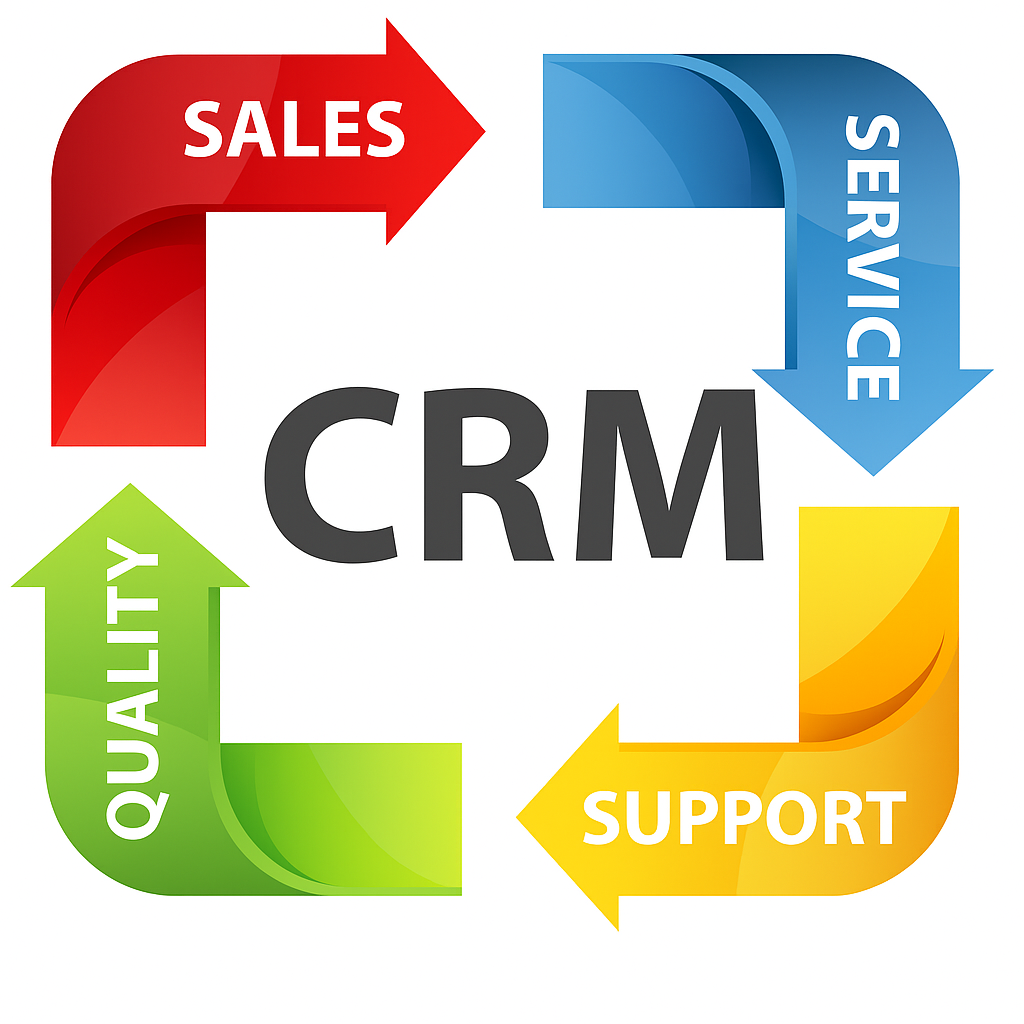
How CRM Makes Portfolio Review Tracking Effortless
As your client base grows, managing reviews manually becomes difficult. Spreadsheets and reminders are not scalable when AUM and relationships expand.
A structured CRM system helps MFDs:
Track review due dates automatically
Maintain meeting history for every client
Monitor pending action items
Segment clients efficiently
When review tracking becomes automated and structured, your focus shifts from remembering tasks to growing your business.
Portfolio reviews are not just service meetings — they are revenue engines. MFDs who track reviews systematically build predictable AUM growth and stronger client relationships. Those who depend on memory struggle with inconsistency and stress.
If you want stable and scalable growth, start by systemizing how you track your portfolio reviews — because growth follows structure.
Sign up for your FREE trial of ZOHO CRM - https://go.zoho.com/KLs