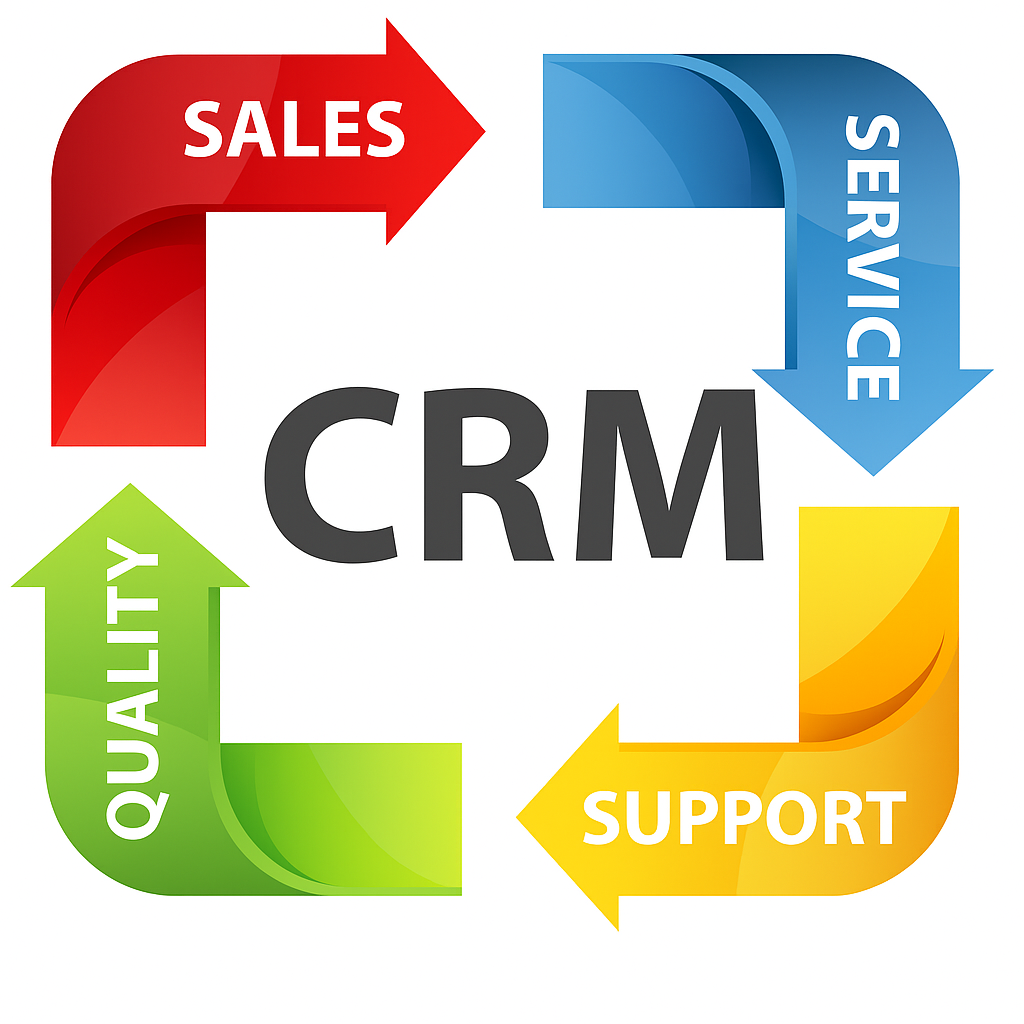
In today’s competitive financial advisory space, personalized communication is no longer optional—it’s essential. Mutual Fund Distributors (MFDs) who send generic messages often struggle with low engagement, while those who communicate personally build stronger trust and long-term relationships. A CRM (Customer Relationship Management) system plays a key role in enabling this personalization at scale.
In today’s competitive financial advisory space, personalized communication is no longer optional—it’s essential. Mutual Fund Distributors (MFDs) who send generic messages often struggle with low engagement, while those who communicate personally build stronger trust and long-term relationships. A CRM (Customer Relationship Management) system plays a key role in enabling this personalization at scale.
1. Centralized Client Data for Better Context
A CRM stores all client information in one place—personal details, investment history, SIPs, goals, risk profile, family details, and past interactions. This allows MFDs to send messages that are relevant and contextual, such as referencing a specific scheme, SIP amount, or financial goal instead of sending generic updates.
A CRM stores all client information in one place—personal details, investment history, SIPs, goals, risk profile, family details, and past interactions. This allows MFDs to send messages that are relevant and contextual, such as referencing a specific scheme, SIP amount, or financial goal instead of sending generic updates.
2. Personalized Messages Using Client Variables
CRMs allow MFDs to use dynamic fields like client name, scheme name, SIP date, maturity date, or portfolio value in messages and emails. This makes every communication feel individually crafted, even when messages are sent in bulk.
Example:
“Dear Rajesh, your SIP of ₹10,000 in Axis Bluechip Fund is due on 5th Jan.”
CRMs allow MFDs to use dynamic fields like client name, scheme name, SIP date, maturity date, or portfolio value in messages and emails. This makes every communication feel individually crafted, even when messages are sent in bulk.
Example:
“Dear Rajesh, your SIP of ₹10,000 in Axis Bluechip Fund is due on 5th Jan.”
3. Event-Based & Triggered Communication
With CRM automation, MFDs can send personalized messages based on specific client events such as:
SIP start, pause, or completion
Policy renewal reminders
Portfolio review alerts
Birthday and anniversary wishes
Goal milestone updates
These timely, relevant messages increase engagement and show proactive service.
With CRM automation, MFDs can send personalized messages based on specific client events such as:
SIP start, pause, or completion
Policy renewal reminders
Portfolio review alerts
Birthday and anniversary wishes
Goal milestone updates
These timely, relevant messages increase engagement and show proactive service.
4. Segmentation for Targeted Communication
CRM enables client segmentation based on parameters like age, AUM, investment type, risk profile, or lifecycle stage. MFDs can then send tailored messages—for example, equity-focused insights to aggressive investors and stability-oriented updates to conservative clients.
CRM enables client segmentation based on parameters like age, AUM, investment type, risk profile, or lifecycle stage. MFDs can then send tailored messages—for example, equity-focused insights to aggressive investors and stability-oriented updates to conservative clients.
5. Multi-Channel Personalized Outreach
Modern CRMs support personalized communication across WhatsApp, email, SMS, and calls. MFDs can maintain consistent yet customized messaging across all channels, ensuring clients receive information in their preferred format.
Modern CRMs support personalized communication across WhatsApp, email, SMS, and calls. MFDs can maintain consistent yet customized messaging across all channels, ensuring clients receive information in their preferred format.
6. Automated Follow-Ups Without Losing the Personal Touch
CRMs help MFDs automate follow-ups while maintaining personalization. Whether it’s pending KYC, SIP confirmation, or document submission reminders, automated yet personalized messages save time and reduce manual errors.
CRMs help MFDs automate follow-ups while maintaining personalization. Whether it’s pending KYC, SIP confirmation, or document submission reminders, automated yet personalized messages save time and reduce manual errors.
7. Building Trust & Long-Term Relationships
Personalized communication shows clients that their advisor understands their financial journey. This builds confidence, improves client retention, increases referrals, and strengthens the MFD’s professional image.
Personalized communication shows clients that their advisor understands their financial journey. This builds confidence, improves client retention, increases referrals, and strengthens the MFD’s professional image.
Conclusion
A CRM empowers MFDs to move beyond generic communication and deliver meaningful, timely, and personalized messages—without increasing workload. By leveraging client data, automation, and segmentation, MFDs can enhance client experience, improve engagement, and grow their business sustainably.
A CRM empowers MFDs to move beyond generic communication and deliver meaningful, timely, and personalized messages—without increasing workload. By leveraging client data, automation, and segmentation, MFDs can enhance client experience, improve engagement, and grow their business sustainably.
Sign for your FREE trail of ZOHO CRM - https://go.zoho.com/KLs
Sign for your FREE trail of ZOHO CRM - https://go.zoho.com/KLs