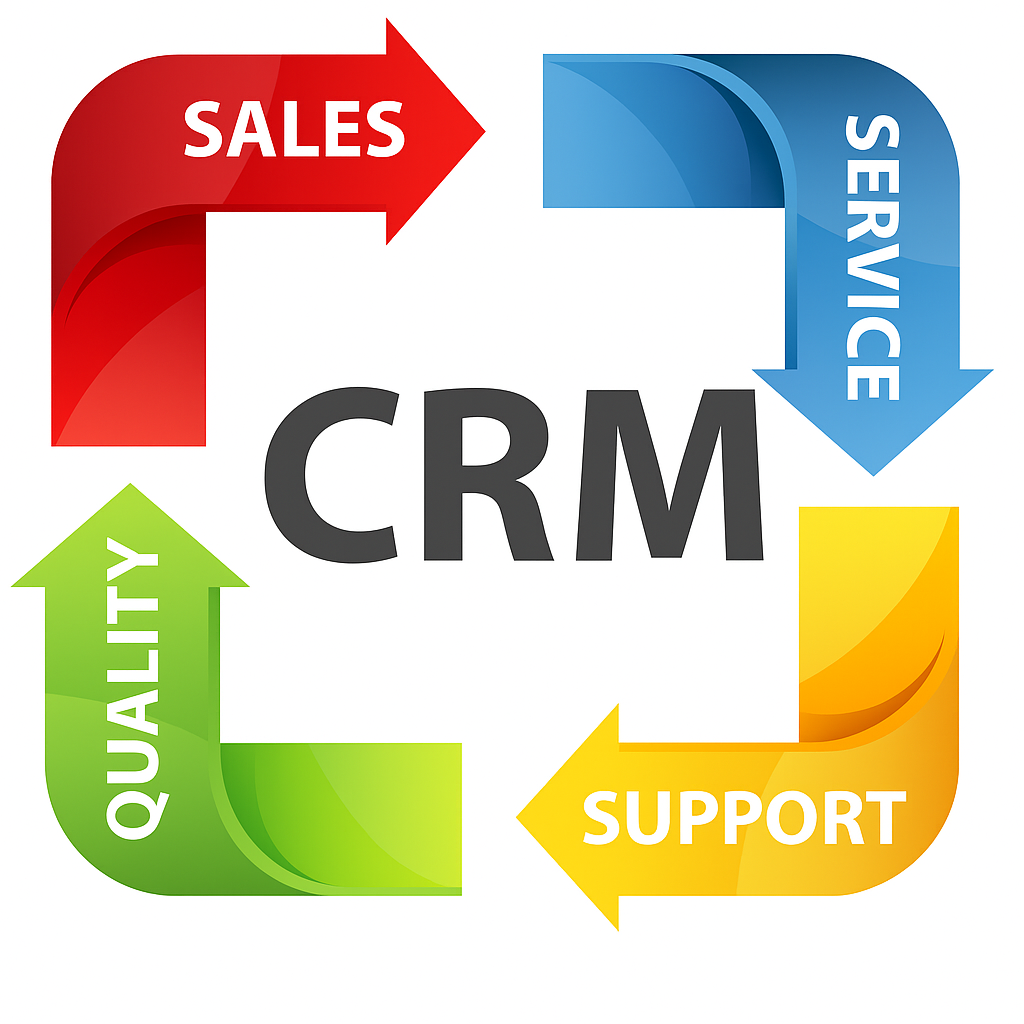
For years, Mutual Fund Distributors (MFDs) have relied heavily on spreadsheets to manage client details, investment records, and follow-ups. While spreadsheets are simple and familiar, they often become messy, time-consuming, and prone to errors as the business grows. In today’s competitive landscape, clients expect faster responses, personalized communication, and accurate reporting — and that’s where CRM (Customer Relationship Management) systems step in as a game-changer.
The Limitations of Spreadsheets
- At first, spreadsheets seem like the easiest option. But as client numbers increase, problems start surfacing:
- High chances of data duplication or errors
- No reminders for client follow-ups or SIP renewals
- Time wasted in searching, filtering, and updating data manually
- Difficulty in tracking multiple clients and portfolios
For an MFD who wants to scale business and build long-term client relationships, spreadsheets quickly become a bottleneck.
Why Smart CRM is the Next Step
- Centralized Client Management: All client information, from KYC details to investment history, is stored securely in one place.
- Automated Reminders & Notifications: Never miss an SIP renewal, maturity date, or client meeting.
- Performance Tracking: Instantly generate portfolio reports and business performance dashboards.
- Personalized Communication: Send tailored emails, messages, and updates to clients with a single click.
- Compliance Ready: Stay aligned with regulatory requirements without manual effort.
The Competitive Edge for MFDs
Clients today value speed, accuracy, and trust. A CRM helps MFDs deliver exactly that. By reducing repetitive manual tasks, distributors get more time to focus on client relationship building and business growth. Moreover, with features like lead tracking and digital onboarding, a smart CRM also helps in acquiring new clients faster.
Moving from spreadsheets to a dedicated CRM is not just a tech upgrade — it’s a strategic shift. For MFDs aiming to stay relevant, efficient, and client-focused in 2025 and beyond, adopting a smart CRM is no longer optional; it’s essential.
- How to map MFD workflows into CRM systems
- Setting up automation for SIPs, reviews, and lead tracking
- Segmenting investors to launch targeted campaigns
- Using CRM insights to increase AUM and reduce churn