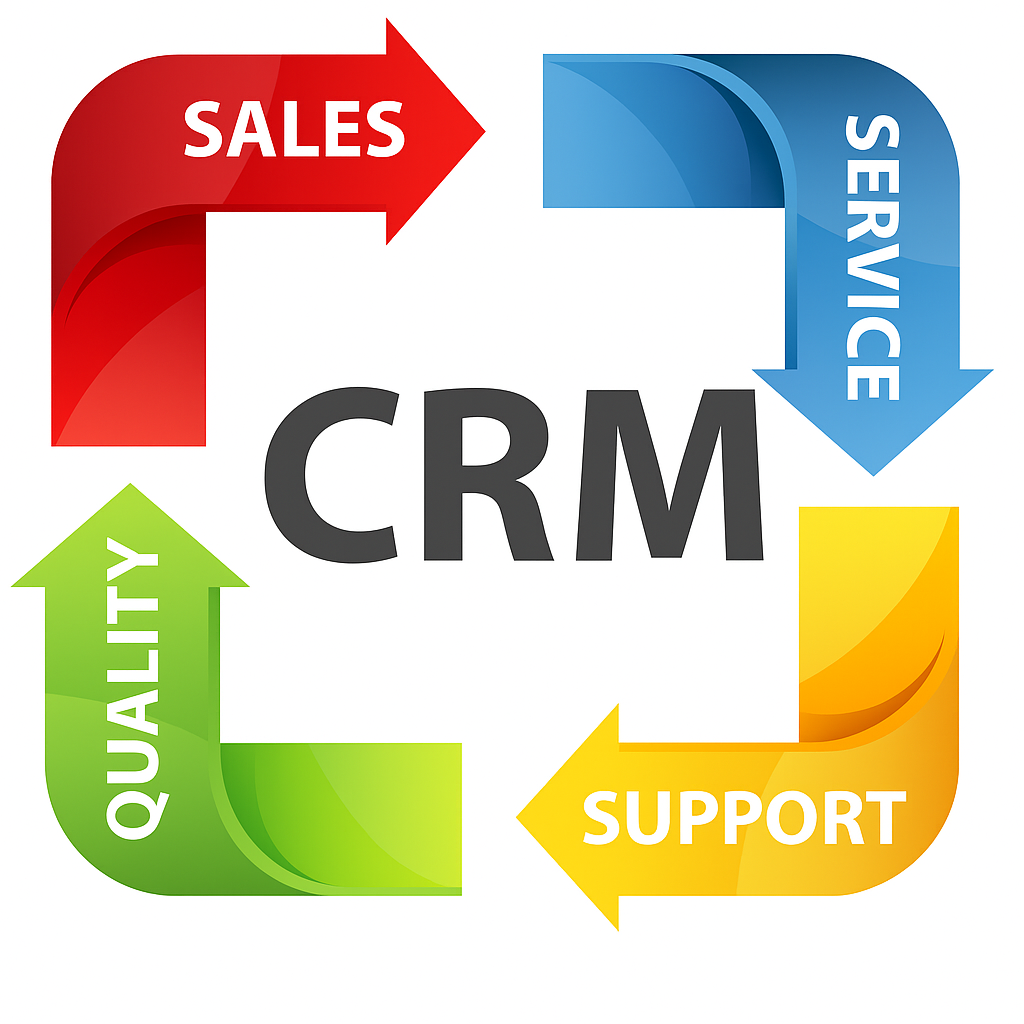
Running a manufacturing business isn’t easy. Between orders, invoices, production schedules, and customer demands, it’s easy for finances to spiral out of control. That’s where a CRM (Customer Relationship Management system) can make a real difference—helping manufacturers (MFDs) move from financial mess to financial mastery.
Centralized Data for Clearer InsightsMany MFDs operate with sales, production, and finance in separate systems. A CRM brings everything together in one place. You can see orders and customer histories at a glance—reducing mistakes, improving planning, and giving a clear picture of your business’s financial health.
Smarter Forecasting and BudgetingCRMs let you track sales trends, customer demand, and product profitability. With this data, you can plan production more accurately, create realistic budgets, and make smarter investment decisions—moving from reactive to proactive financial management.
Stronger Customer RelationshipsA stable customer base is key to predictable revenue. CRMs help track customer interactions, monitor satisfaction, and identify upselling opportunities. Happy, loyal customers mean steady cash flow and less financial uncertainty.
Actionable Insights for Strategic DecisionsCRMs provide dashboards and reports that show where money is coming from and where it’s going. You can identify inefficiencies, measure profitability by product or client, and spot issues before they become costly problems.
Bottom line:A CRM is more than a sales tool—it’s a financial control center. For MFDs struggling with messy finances, it brings clarity, streamlines processes, and provides insights that turn chaos into mastery.
Running a manufacturing business isn’t easy. Between orders, invoices, production schedules, and customer demands, it’s easy for finances to spiral out of control. That’s where a CRM (Customer Relationship Management system) can make a real difference—helping manufacturers (MFDs) move from financial mess to financial mastery.
Centralized Data for Clearer Insights
Many MFDs operate with sales, production, and finance in separate systems. A CRM brings everything together in one place. You can see orders and customer histories at a glance—reducing mistakes, improving planning, and giving a clear picture of your business’s financial health.
Smarter Forecasting and Budgeting
CRMs let you track sales trends, customer demand, and product profitability. With this data, you can plan production more accurately, create realistic budgets, and make smarter investment decisions—moving from reactive to proactive financial management.
Stronger Customer Relationships
A stable customer base is key to predictable revenue. CRMs help track customer interactions, monitor satisfaction, and identify upselling opportunities. Happy, loyal customers mean steady cash flow and less financial uncertainty.
Actionable Insights for Strategic Decisions
CRMs provide dashboards and reports that show where money is coming from and where it’s going. You can identify inefficiencies, measure profitability by product or client, and spot issues before they become costly problems.
Bottom line:
A CRM is more than a sales tool—it’s a financial control center. For MFDs struggling with messy finances, it brings clarity, streamlines processes, and provides insights that turn chaos into mastery.
Sign for your FREE trail of ZOHO CRM - https://go.zoho.com/KLs
Sign for your FREE trail of ZOHO CRM - https://go.zoho.com/KLs